Services
What we do
Waterproofing, concrete repair and specialist protective coatings for the Coffs Coast, Mid North Coast and beyond — the full scope, in plain terms. Every quote is obligation free.
New waterproofing
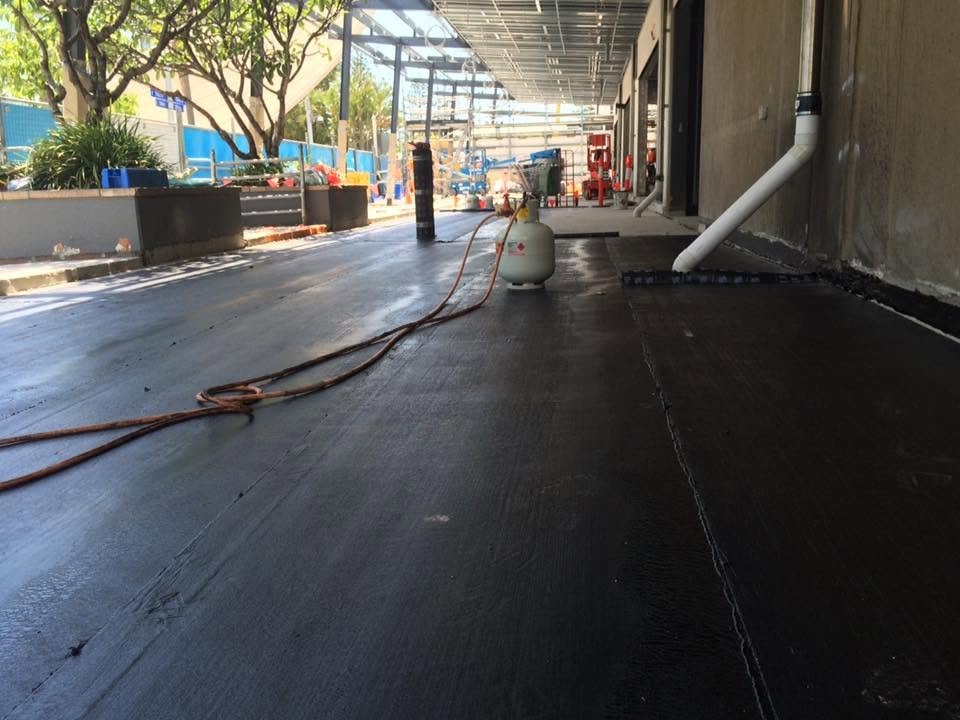
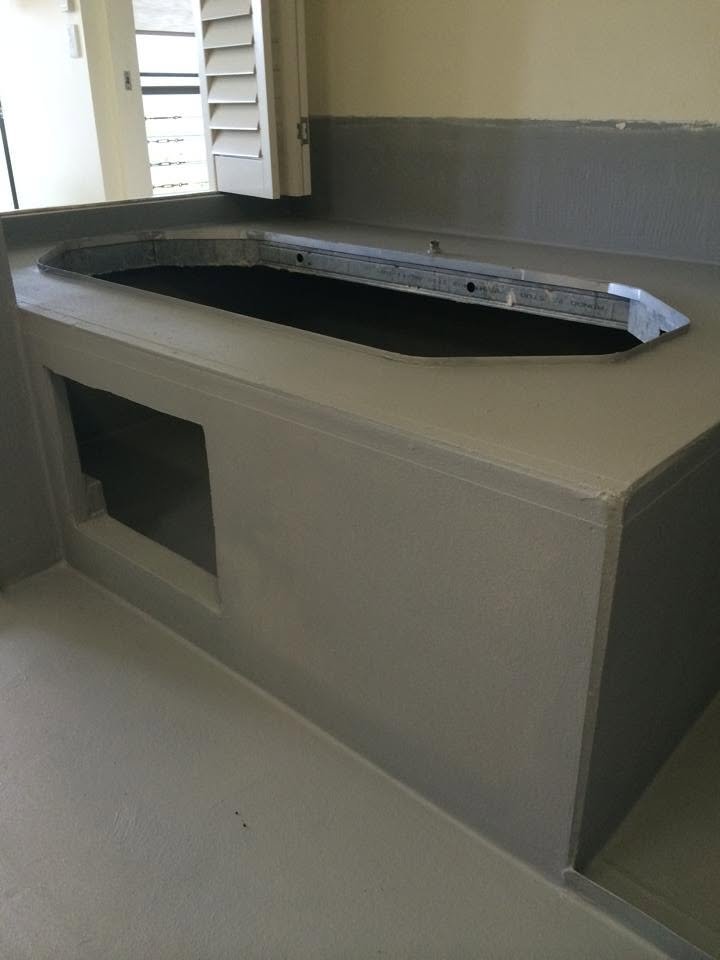
Compliant membrane systems for new work, selected for the substrate and installed to the manufacturer’s specification, the NCC, AS 3740 and AS/NZS 4858. From wet areas to structures below ground, waterproofing only works if it’s designed and installed correctly the first time.
- Internal wet area waterproofing
- Specialist below-grade construction waterproofing
- Lift pit waterproofing
- Retaining wall waterproofing
- Sheet membrane systems
- Waterproofing admixtures for concrete
What’s involved
The substrate gets assessed and primed where the system calls for it, then the membrane — sheet or liquid-applied, depending on the area and what’s specified — goes on to the manufacturer’s data sheet and the relevant Standards. Upturns, movement joints and penetrations get detailed properly, since that’s where most waterproofing actually fails, not in the middle of a flat run.
What it suits
New bathrooms and wet areas, balconies, basements and other below-grade structures, retaining walls, lift pits and planter boxes — anywhere concrete or a wet area has water on one side and a finished space on the other.
What to expect
The site needs to be at the right stage — post-screed and pre-tile for a wet area, post-formwork-strip for structural work — and the area typically needs to cure before the next trade moves in. As this is licensed work, correct product selection and installation to spec is what makes it compliant, and it comes with the documentation the job requires.
Common question
Can you waterproof over old tiles or an existing membrane? Depends entirely on what’s underneath and what condition it’s in — that gets assessed on site rather than assumed either way, since building over a failed membrane just hides the problem.
Remedial waterproofing
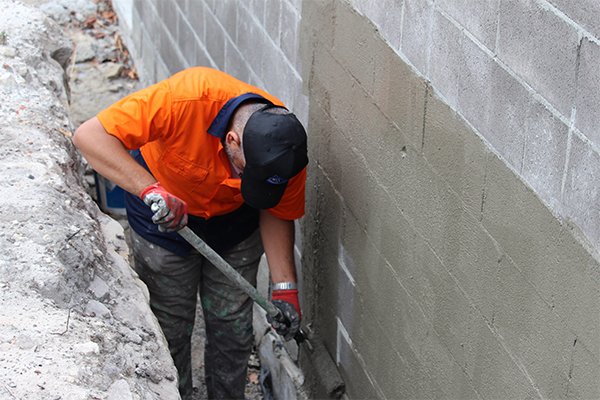
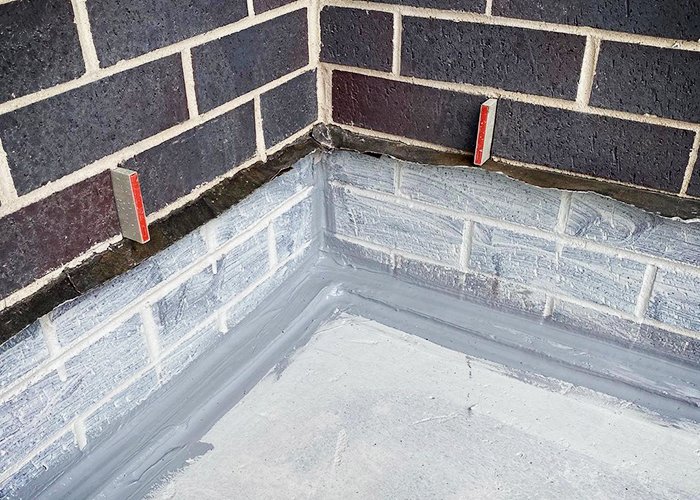
When a membrane has already failed, the fix isn’t always a full strip-out. We trace where water is actually getting in, then repair or overlay the system so it performs again — without unnecessary demolition where it can be avoided.
- Leaking shower repairs
- Leak source tracing & diagnosis
- Balcony & podium deck remediation
- Planter box & garden bed waterproofing repairs
- Bathroom & wet area membrane repairs
- Above and below-grade remedial works
What’s involved
Diagnosis comes first — water often travels before it shows, so where a stain or a drip appears isn’t always where it’s getting in. Once the actual entry point and cause are established, the repair approach follows: a targeted patch or overlay where the rest of the membrane is sound, or a partial strip-back where it isn’t.
What it suits
Leaking showers and bathrooms, balconies and podium decks letting water through to the space below, planter boxes bleeding into walls, and any structure where the original waterproofing has failed, degraded or was never installed correctly.
What it doesn’t suit
Sometimes a membrane has failed too extensively, or the substrate underneath is too compromised, for a genuine overlay to be honest work. In that case a full strip-out gets recommended rather than a patch that won’t hold — that call gets made on site, not guessed at from a quote request.
What to expect
Diagnosis happens before pricing, since the fix and the cost both depend on the actual cause. Timeframes vary a lot with scope — a targeted repair can be quick, a full remediation is a bigger job.
Common question
Will regrouting fix my leaking shower? Sometimes — if the waterproof membrane under the tiles is still intact and the leak is genuinely just failed grout. But if the membrane itself has failed, regrouting is a cosmetic fix over a structural problem, and the leak comes back. That’s why diagnosis comes first: membrane repair is licensed waterproofing work, and it’s the difference between fixing the leak and hiding it for a season.
Concrete repair
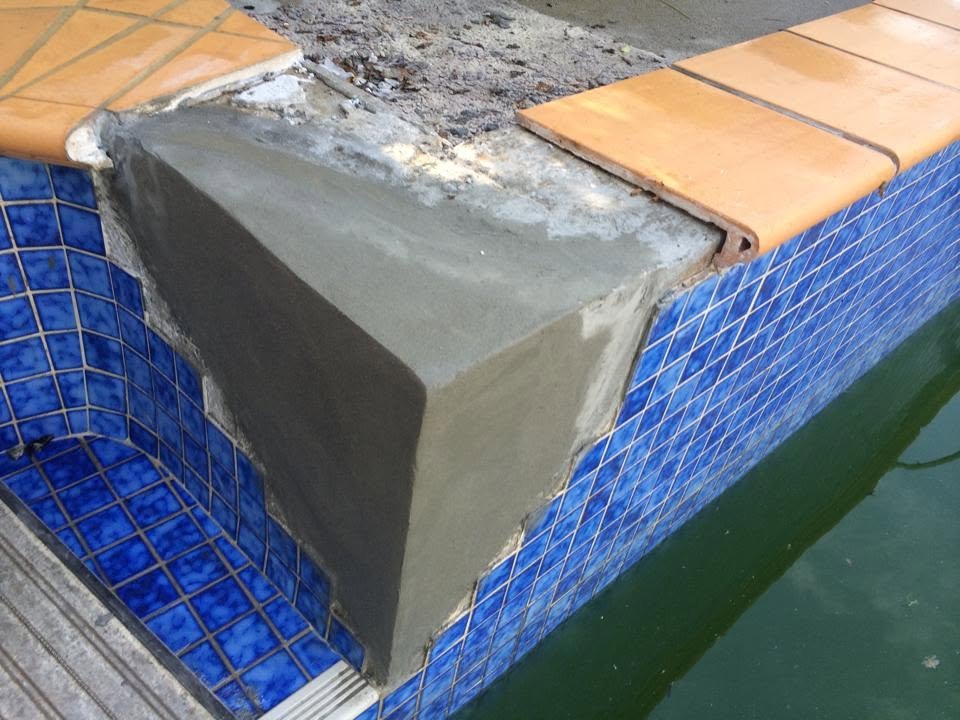
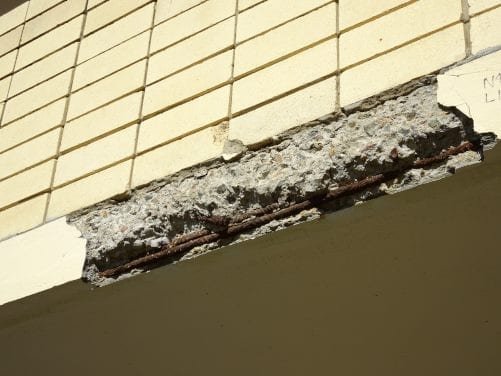
Cracked or spalling concrete is usually a sign that water and reinforcing steel are already interacting. We treat the cause as well as the damage — sealing, injecting or rebuilding depending on what the concrete is doing.
- Concrete crack sealing
- Polyurethane & epoxy crack injection
- Spalling (concrete cancer) repairs
- Surface preparation & high pressure water blasting
- Floor levelling — cementitious & epoxy
What’s involved
First, working out whether the damage is cosmetic or symptomatic. Spalling especially is often concrete being pushed apart by reinforcing steel rusting and expanding underneath — so a proper repair means removing the compromised concrete back to sound material, treating the exposed steel, then rebuilding with the right repair system. Patching over the visible symptom just delays the same failure.
What it suits
Cracked slabs, spalling balconies, soffits and columns, exposed or corroding reinforcement, and uneven or damaged floors that need levelling before a new finish goes down.
What to expect
A genuinely small, non-structural crack may just need sealing. Corrosion-driven spalling needs the concrete opened up properly, which is usually a bigger job than it looks from the surface — that gets explained clearly before any work starts, not discovered halfway through.
What it doesn’t suit
A crack that’s still actively moving needs the movement itself addressed, not just the crack filled — see Concrete Crack Repair for structural diagnosis and injection work on cracks that are ongoing rather than settled.
Concrete grinding & sealing
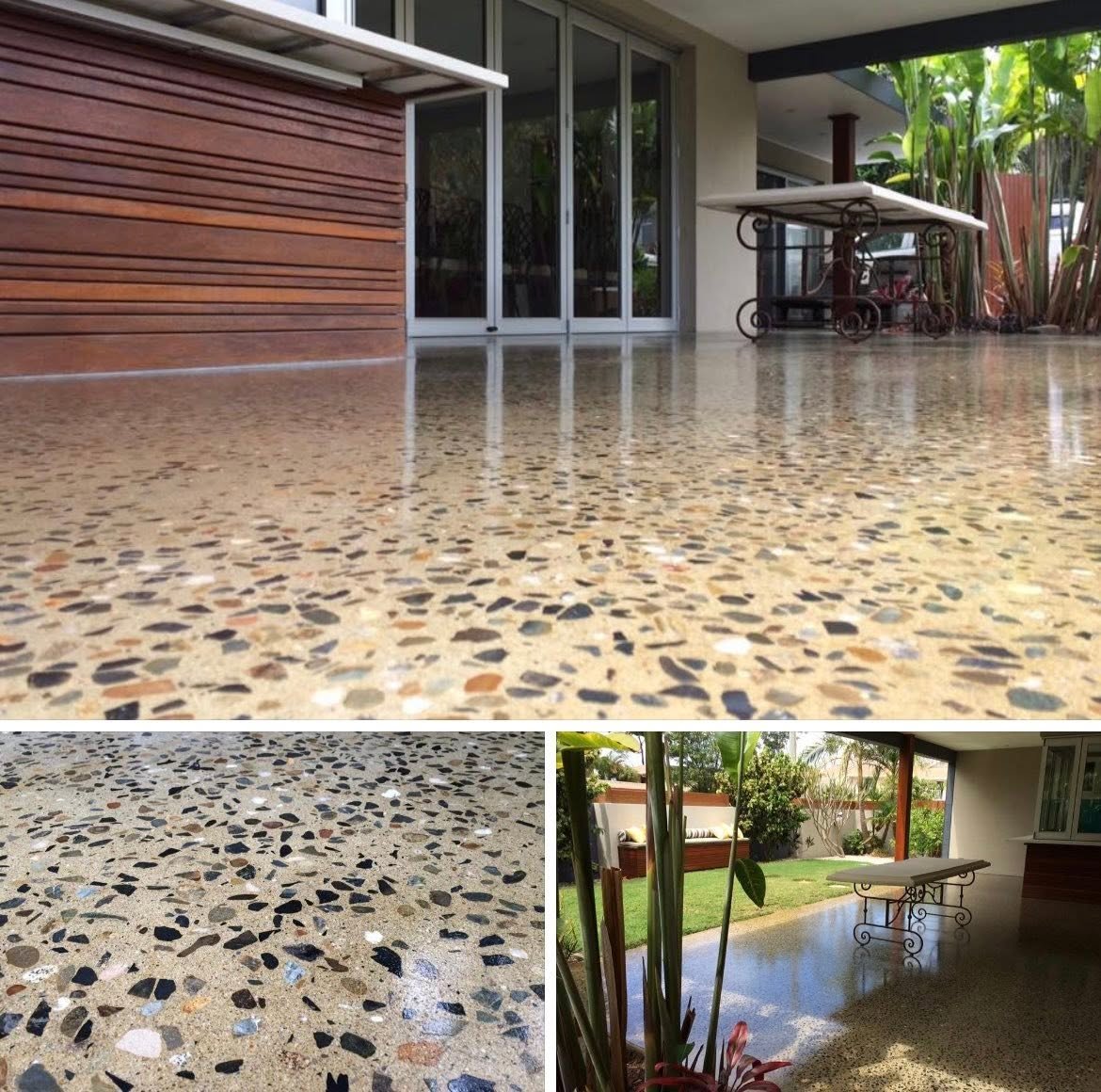
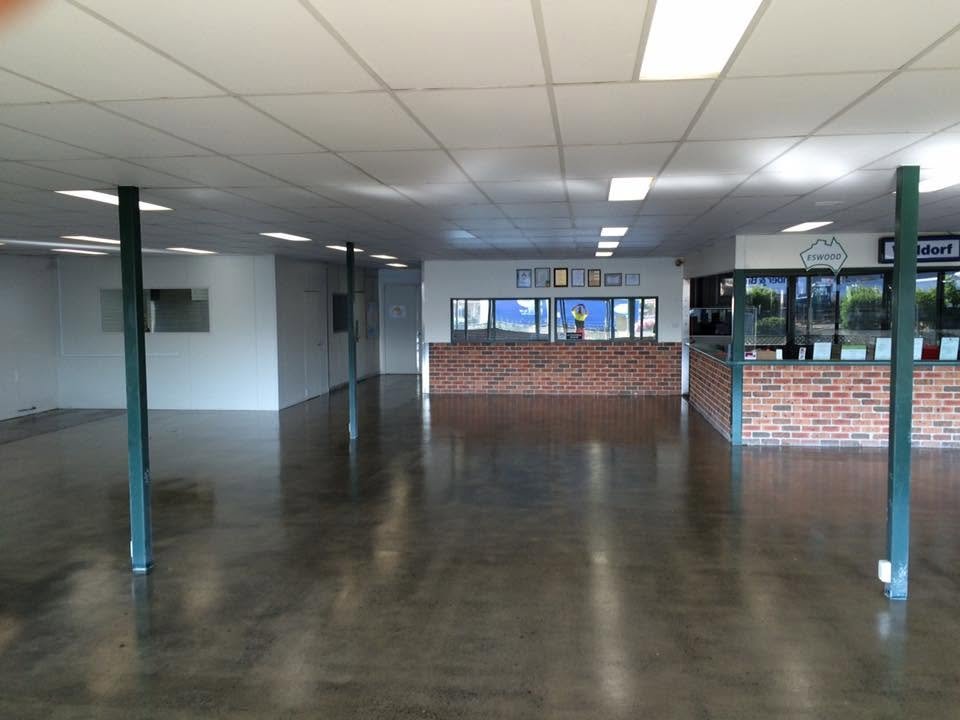
Grinding removes surface contamination and opens the concrete up so a sealer can actually penetrate and protect — the right prep before any coating goes down, or a durable finish on its own.
- Diamond grinding & surface preparation
- Penetrating & topical concrete sealers
- Dust-proofing for warehouse & industrial floors
- Densifying treatments for worn concrete
What’s involved
Mechanical diamond grinding strips off surface laitance, old coatings or contamination and opens the pores of the concrete. From there it’s either a penetrating sealer — soaks in, invisible finish, good for dust control — or a topical sealer that sits on the surface and adds sheen or colour enhancement.
What it suits
Warehouse and industrial floors that need dust control, tired concrete that just needs cleaning up and protecting rather than a full coating system, and prep work before any coating goes down — often the invisible first step that determines whether everything applied afterward actually sticks.
What to expect
It’s dusty, loud work, typically run with vacuum-attached equipment to keep dust under control. The concrete needs to be properly dry and clean before sealing, and whether a penetrating or topical sealer makes sense depends on how the floor actually gets used.
Common question
What does densifying actually do? It’s a chemical treatment that reacts with the concrete to harden and tighten the surface, reducing dusting on old or worn slabs — often paired with grinding rather than used on its own.
Epoxy flooring
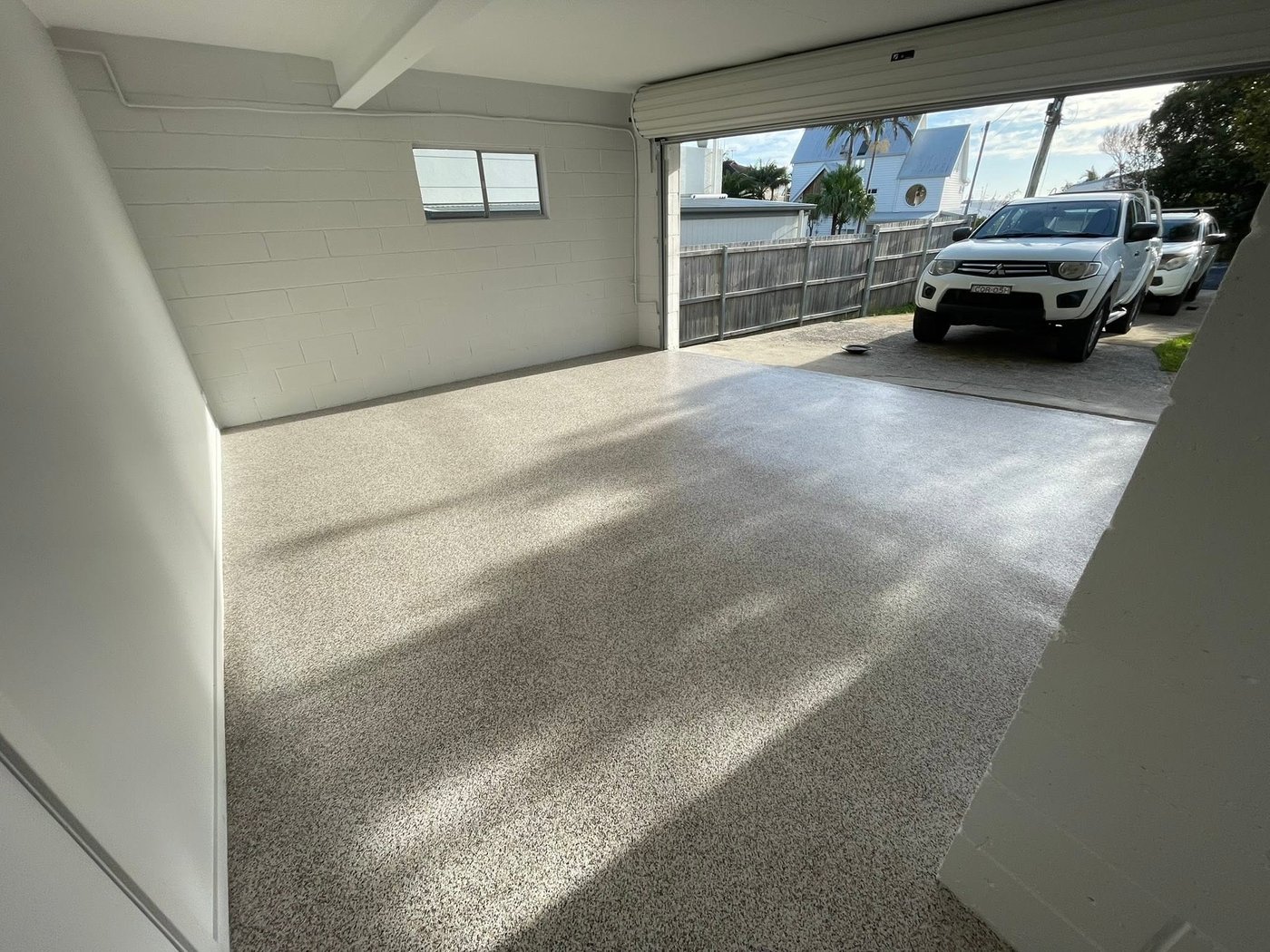
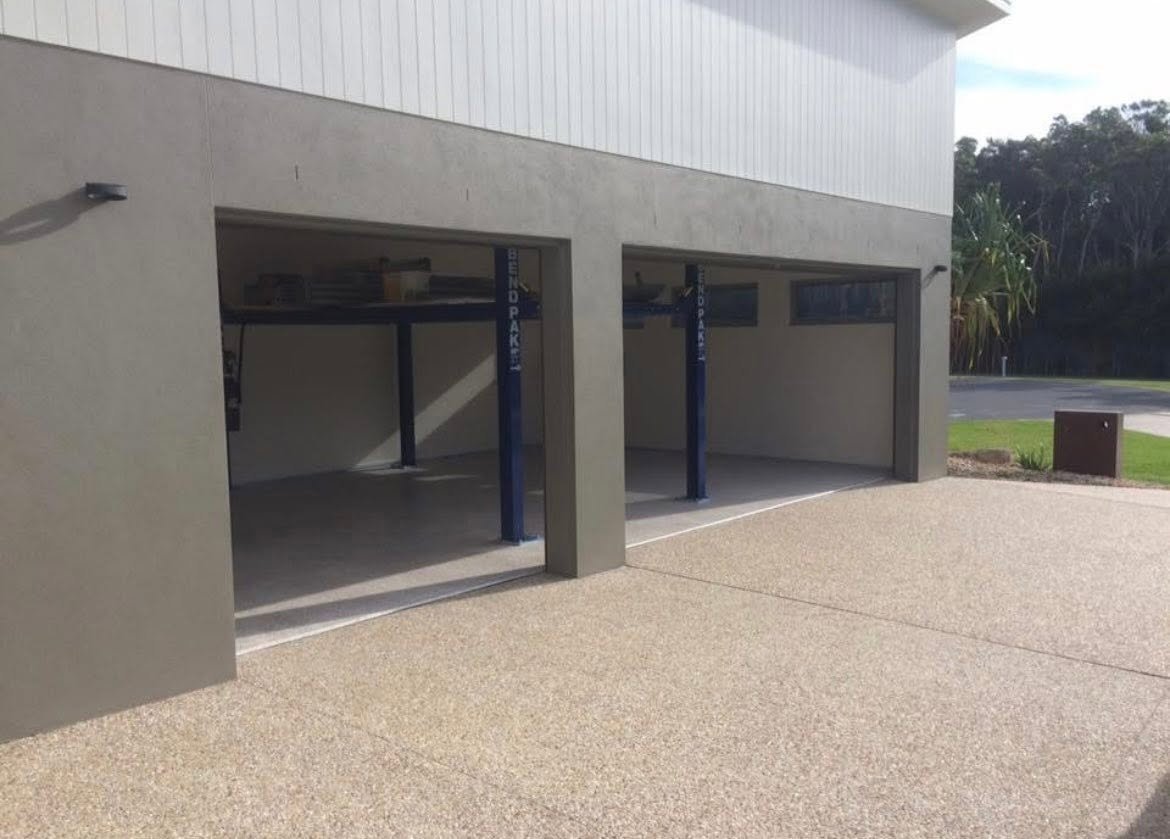
Flake and epoxy floor systems built to last: durable, UV-stable, non-slip and stain resistant, with a wide colour range. Proper surface preparation and quality materials matter more than the finish coat — we don’t cut corners on either.
- Epoxy flake flooring
- Epoxy flooring systems
- Floor levelling systems
- Non-slip finishes for external areas & pool surrounds
What’s involved
Surface prep — grinding and profiling so the epoxy actually bonds — matters more than the topcoat, and it’s where a rushed job usually goes wrong. From there it’s a primer coat, the flake or solid epoxy build-up in layers, then a clear UV-stable topcoat for durability and colour retention.
What it suits
Garage floors, workshops, alfresco and outdoor entertaining areas (non-slip finishes available for wet or outdoor use), showrooms, and any concrete floor that needs to look good and stand up to real wear.
What to expect
The concrete needs to be fully cured, not a fresh pour, and properly prepped — skipping prep is the single most common reason an epoxy job fails and peels. Application generally runs over consecutive days depending on the system and weather, and the floor needs time to cure before it takes full traffic.
What it doesn’t suit
A slab with active structural cracking or movement needs that addressed first — epoxy is a hard, rigid finish, and it will crack right along with a substrate that’s still moving underneath it.
Driveway & outdoor coatings
Driveways and outdoor areas cop the weather, the UV and the wear that indoor floors never see. We apply textured, slip-resistant coating systems built for exactly that — whether it’s a tired driveway that needs a refresh or a new outdoor area that needs protecting from day one.
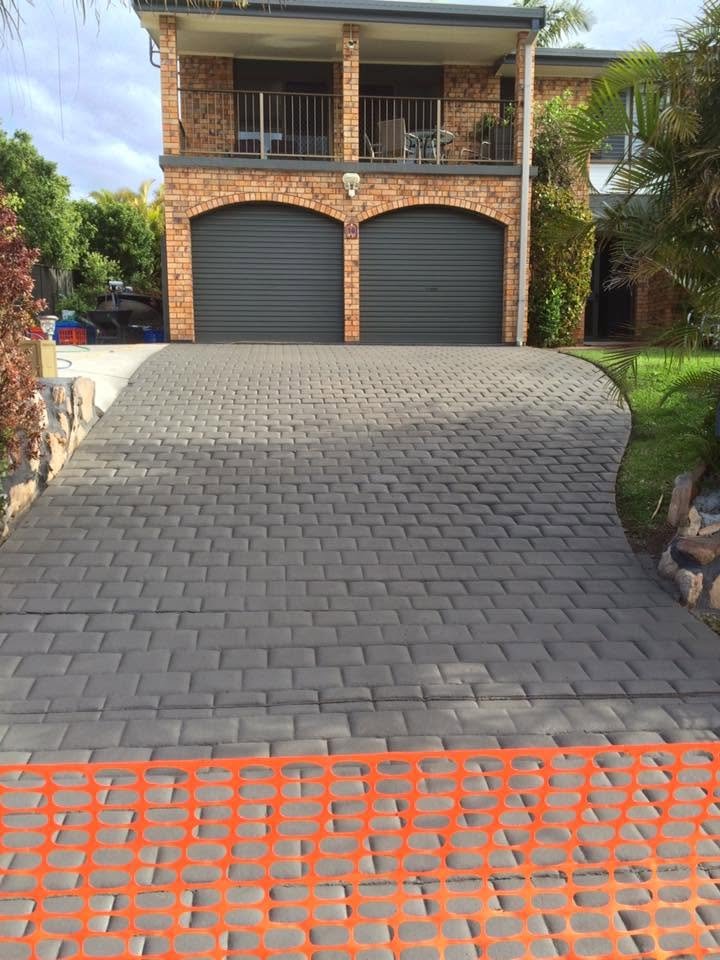
- Driveway resurfacing & repainting
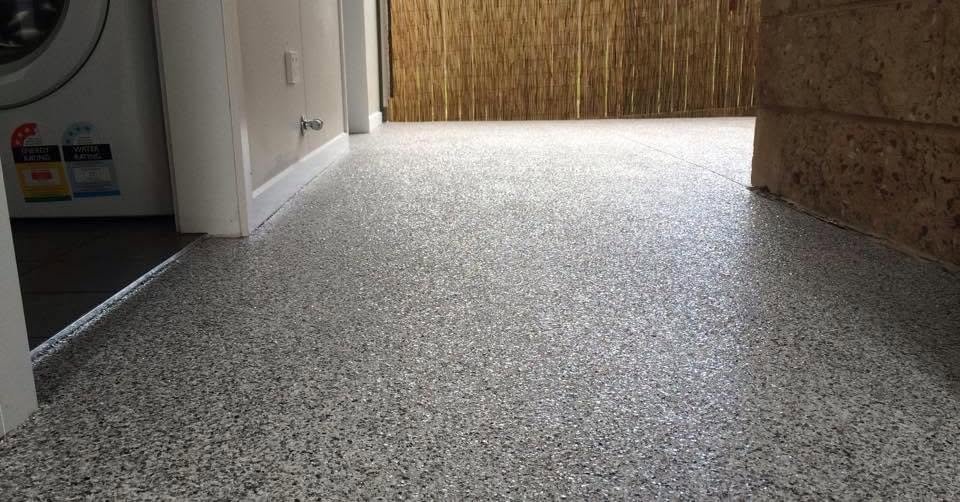
- Textured non-slip coating systems
- Alfresco & outdoor area coatings
- Colour-through texture finishes
- UV-stable, weather resistant systems
What’s involved
Surface cleaning and prep first — pressure washing, and grinding if the existing surface is contaminated or failing — then repair of any cracks or damage before a textured, slip-resistant coating system goes on, chosen for full sun, weather and vehicle traffic.
What it suits
Tired or stained driveways that need a genuine refresh rather than replacement, new concrete that needs UV and stain protection from day one, and alfresco or pathway areas that need a non-slip surface.
What to expect
Outdoor coatings need the right weather window to cure properly, and colour-through or texture choices affect both the look and the slip resistance. A driveway with real structural cracking needs that addressed as concrete repair first — a coating over an unstable substrate won’t hold.
Common question
What’s the difference between colour-through and a surface coating? Colour-through texture finishes have colour and texture built into the applied layer itself, so wear doesn’t expose a different colour underneath the way a thin painted surface eventually can.
Facade coatings
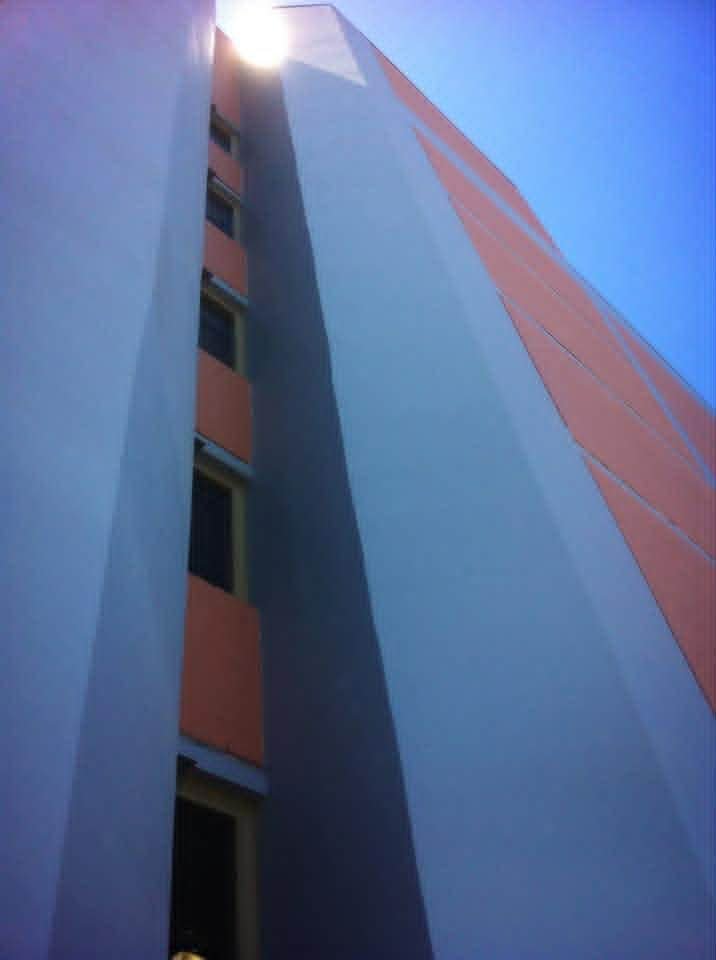
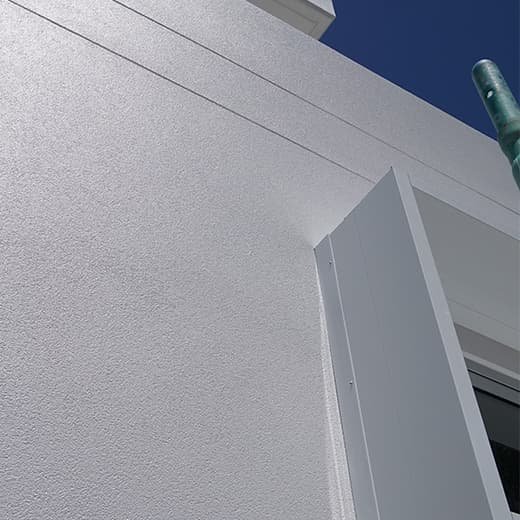
A building’s facade takes the weather head-on — UV, driving rain and salt air on the coast. We apply protective and decorative coating systems that keep water out and keep the building looking the part.
- Exterior wall coatings & rendering
- Elastomeric & waterproof facade systems
- Recoating & refreshing tired facades
- Coastal, salt-air resistant coatings
What’s involved
Assessing the existing substrate — render, block or concrete — and what’s actually failing. Often it’s water getting in through hairline cracking or a perished old coating rather than the wall itself. From there: appropriate repair, priming, then a protective or decorative coating system chosen for coastal exposure.
What it suits
Tired, chalking or fading exterior walls, buildings showing water staining or efflorescence, new render that needs a proper protective finish, and anywhere salt air and driving rain are accelerating wear.
What to expect
Facade work usually needs the right access — scaffold or elevated equipment depending on height — and the right weather window, since coatings need to cure without rain. Quoted properly once access and scope are clear on site.
Common question
What actually causes a facade to fail? Most often it’s hairline cracking in the render letting water behind the coating, or a coating that’s simply reached the end of its service life and lost its ability to shed water — both look similar from the ground, which is why an on-site assessment matters more than a guess from a photo.
Pool coatings
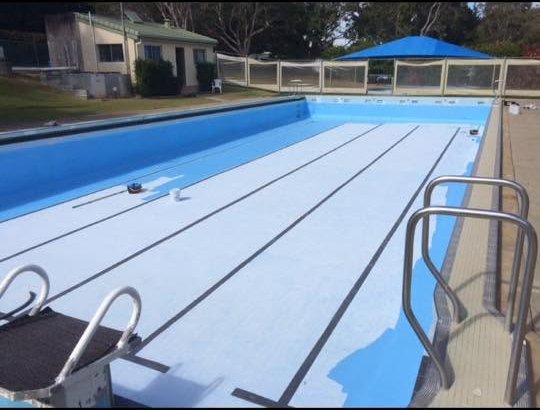
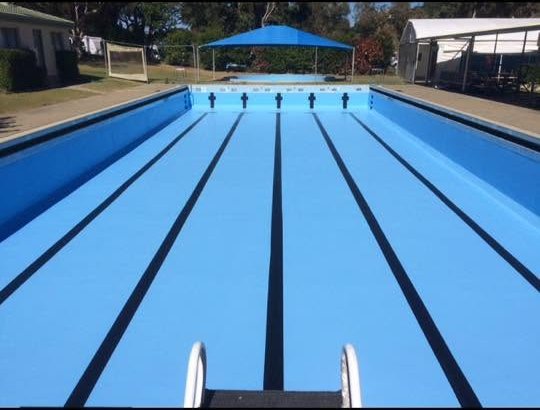
A tired, faded or failing pool coating doesn’t just look bad — it accelerates wear on the concrete underneath. We recoat and refinish pool interiors with durable, colour-fast systems built for constant water exposure.
- Pool interior coating & recoating
- Non-slip pool surrounds
- Colour & finish options
- Refreshing tired or faded pool interiors
What’s involved
Draining and preparing the shell — cleaning, light grinding or profiling of the old surface as needed — repair of any surface imperfections, then a colour-fast, chemically resistant coating system built for permanent water immersion.
What it suits
Concrete or fibreglass-shell pools with a faded, chalky or rough interior, pools due for a colour change or refresh, and new shells needing their first coating.
What it doesn’t suit
A pool that’s actually losing water isn’t a coatings problem — that’s usually a structural crack, which needs diagnosing and fixing first (see Concrete Crack Repair) before recoating makes sense. Coating over an active leak just delays finding it.
What to expect
The pool needs to be empty and dry for the work, plus a full cure period before refilling — timeframes depend on the product and the weather.
Common question
Can the colour be changed, or does it have to match what’s there now? Recoating is a genuine opportunity to change colour — the new system goes over the prepared shell regardless of what shade was there before.
Joint repairs & sealing
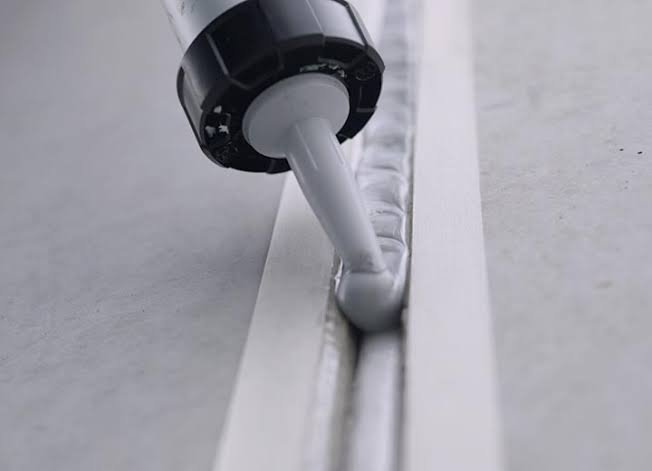
Movement joints are designed to move — the sealant inside them isn’t designed to last forever. We replace failed or perished joint sealant and repair flexible jointing systems so the joint keeps doing its job.
- Flexible jointing systems & repairs
- Control & expansion joint sealing
- Sealant replacement
- Grouting around joints & penetrations
What’s involved
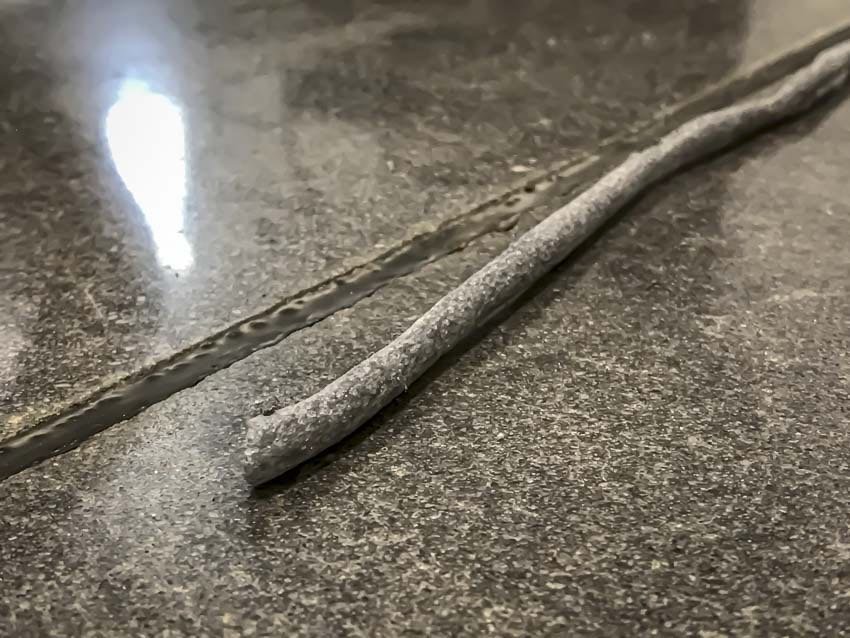
Old, perished or failed sealant gets removed back to sound substrate, the joint is prepared — backing rod where needed to control sealant depth — then new sealant goes in, matched to how much that particular joint actually needs to move.
What it suits
Cracked, peeling or missing sealant in control and expansion joints, joints around penetrations like pipes and posts that are letting water through, and tiled or paved areas where rigid grout has ended up in a joint that actually needs to move — a common, quietly expensive mistake, since rigid grout in a movement joint just cracks again.
What to expect
Joint sealant is a wear item. Even correctly installed, it has a service life and will need replacing again down the track — this is maintenance work, not a permanent one-time fix.
Common question
What’s the difference between a control joint and an expansion joint? A control joint manages where concrete is allowed to crack as it shrinks during curing; an expansion joint allows for ongoing movement from temperature change over the life of the structure. Both need sealant that can flex — the amount of movement they see is different, and the product should match it.
Protective coatings
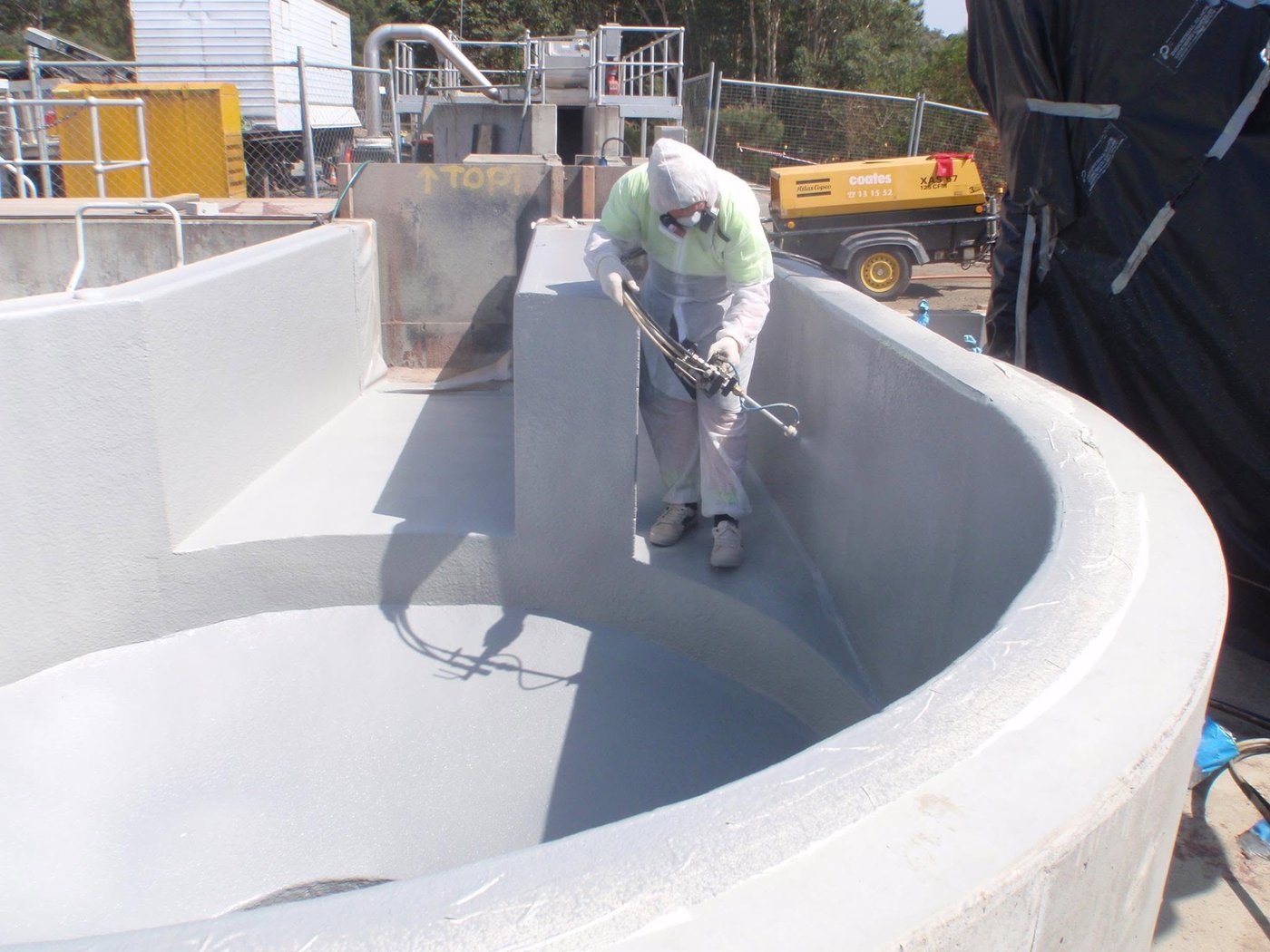
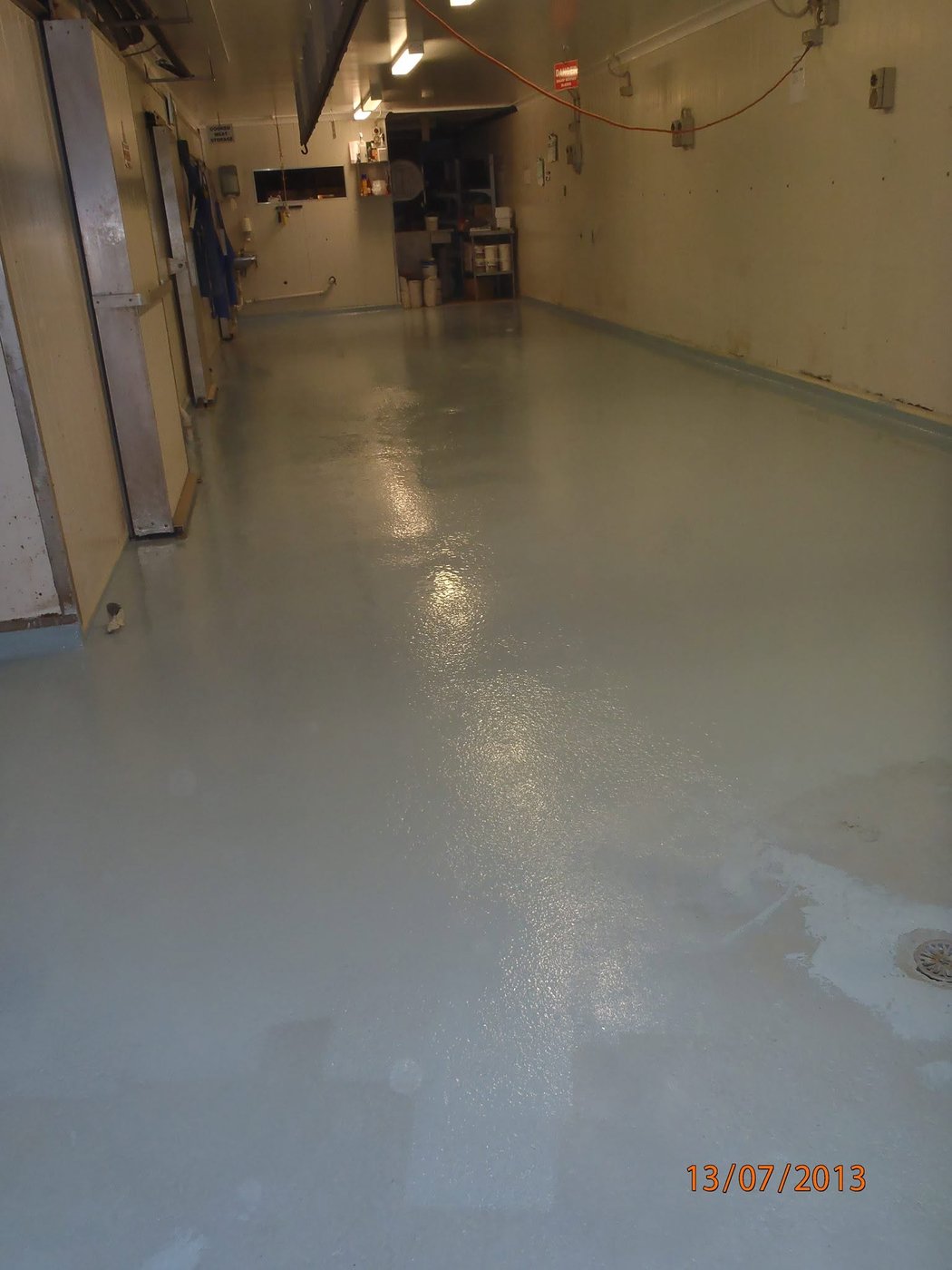
Chemical resistant coatings and specialist lining systems for concrete exposed to harsh conditions — including epoxy render and coating systems used to rehabilitate concrete water tanks and reservoirs.
- Chemical resistant coatings
- Concrete water tank linings (incl. potable water supply)
- Epoxy render & coating systems
What’s involved
Surface preparation to the standard the coating system requires — typically more rigorous than decorative coatings, since these are chemical- or immersion-exposure environments — then application of the specified chemical-resistant coating or lining system, including epoxy render and lining systems suited to potable water tank rehabilitation.
What it suits
Concrete water tanks and reservoirs, including potable supply infrastructure, structures exposed to chemical or industrial conditions, and any concrete surface where a decorative coating simply isn’t rated for what it’s actually exposed to.
What to expect
This end of the work is typically larger in scale and specification-driven — the coating system gets matched to what the structure holds or is exposed to, often against a council or engineer’s specification rather than picked off a shelf.
Common question
Why can’t a standard coating be used on a water tank? A general-purpose coating isn’t formulated or certified for constant immersion, and for potable supply infrastructure it also needs to be safe for drinking water contact — that requires a product rated for the job, not just a durable one.
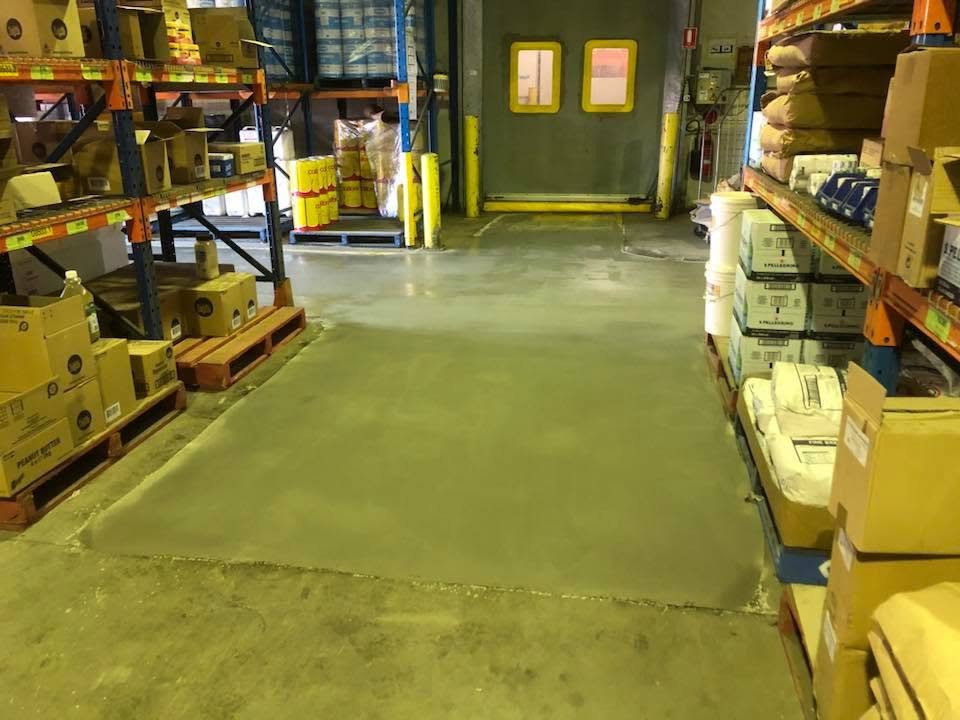
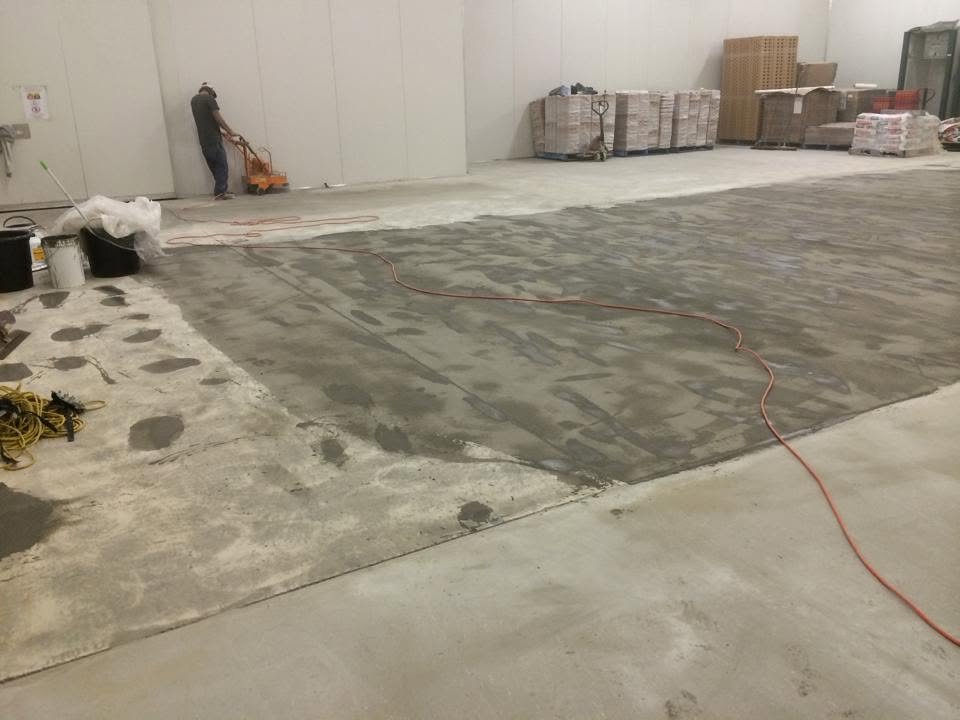
Grouting & floor toppings
Grouting fills the gaps that matter, structurally and otherwise, and floor toppings give a tired or uneven slab a fresh, level surface to work from. Both are precise work — easy to get wrong, expensive to redo.
- Structural grouting
- Non-structural & tiling grout
- Machine base & baseplate grouting
- Floor topping & resurfacing
- Void filling
What’s involved
For grouting: filling structural voids, machine baseplates or non-structural gaps with the correctly specified grout — structural grouts are engineered products, not the same thing as tiling grout. For floor toppings: preparing the existing slab, then applying a cementitious or epoxy topping to level and resurface it.
What it suits
Machinery and equipment baseplates needing structural grouting, voids and gaps that need filling properly rather than just packed, and uneven or worn slabs that need a level, fresh surface rather than full replacement.
What to expect
Both are precision work. The wrong grout under a loaded baseplate, or a topping applied to a poorly prepared slab, will fail — so prep and product selection matter more than they might look like they should from the outside.
Common question
Is structural grout just stronger tiling grout? No — structural grout is a different category of product entirely, engineered for load transfer and specified by strength and flow characteristics, not colour matched for tiling. Using the wrong one under machinery is a real failure risk, not a cosmetic issue.
Concrete crack repair
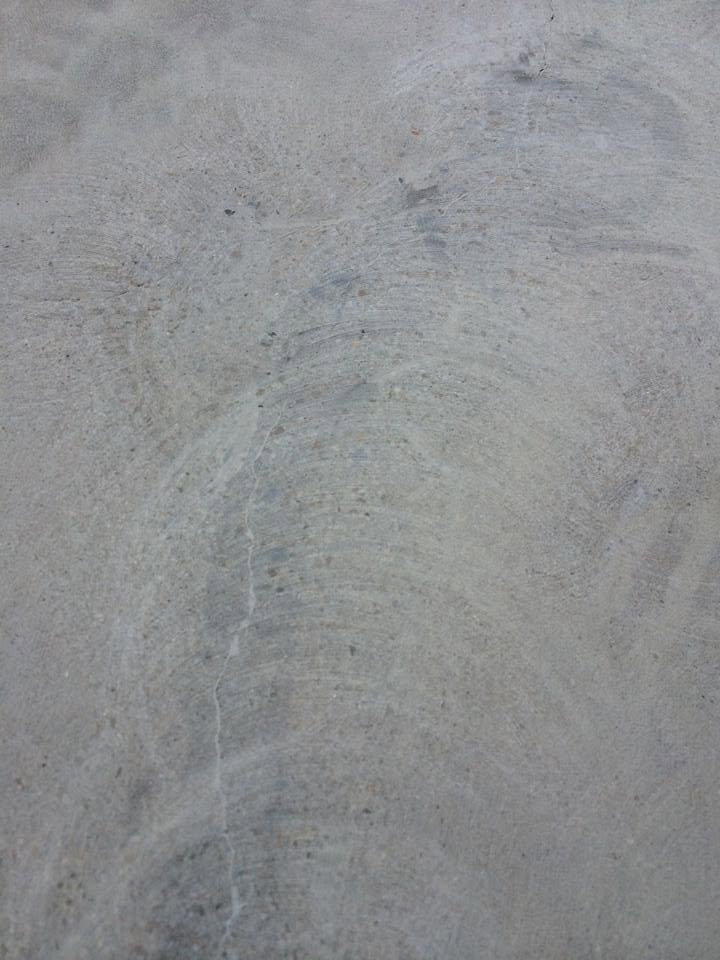
Cracked concrete is rarely just cosmetic — in a slab, a wall or a pool shell, a crack lets water and salt air in and lets structural capacity out. We diagnose what’s causing it and repair accordingly, from a simple seal through to full structural injection.
- Crack diagnosis & structural assessment
- Structural crack injection
- Non-structural crack sealing
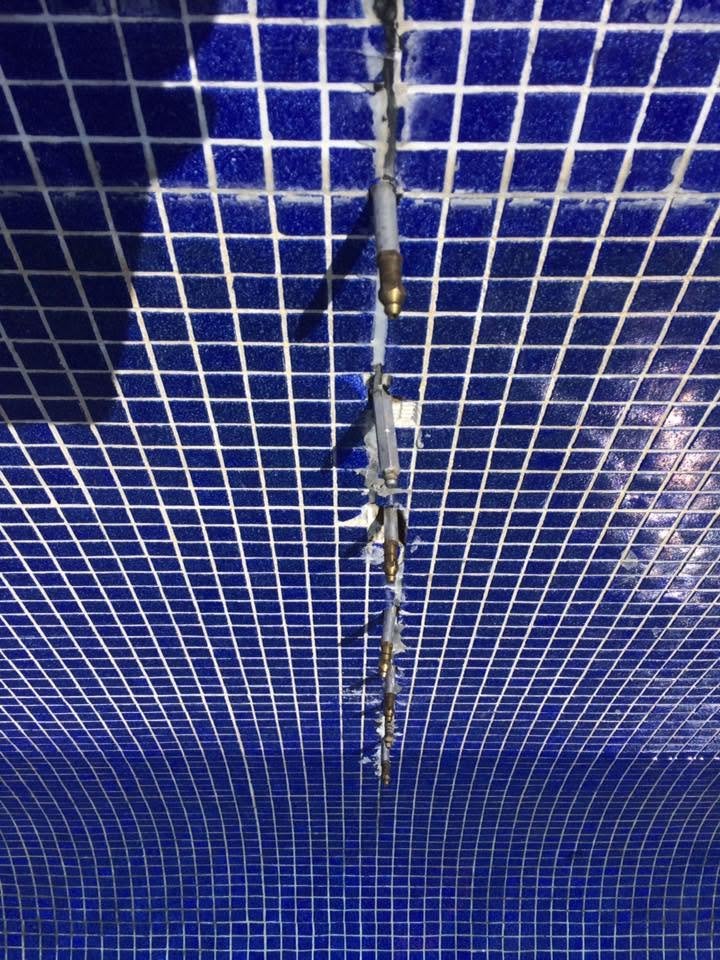
- Pool shell & below-water crack repair
What’s involved
Working out whether a crack is structural — needing injection, sometimes with monitoring first if it’s still moving — or non-structural, where a straightforward seal is enough. Structural cracks get polyurethane or epoxy injection; surface cracks get the appropriate sealant.
What it suits
Cracked slabs, walls and pool shells, a pool that’s losing water, cracks letting water or salt air into reinforcing steel, and cracks that have been patched before and come back — usually a sign the original repair addressed the crack but not the movement or cause behind it.
What to expect
A crack that’s actively moving — still opening, from ongoing settlement or structural movement — sometimes needs monitoring before a permanent repair makes sense. Repairing a crack that’s still moving without addressing the movement itself is a repair that won’t last.
Common question
Is a cracked pool shell always a big job? Not necessarily — a single, stable structural crack can often be injected without draining the whole pool or removing tiles well beyond the crack itself. Scope depends entirely on what the assessment finds.
Get an obligation-free quote
Send photos of the problem, or book a site visit.